In the heart of the European energy transition, a “silent revolution” is taking place on the horizon. While the term agrivoltaics was once a technical whisper among specialists, it has now become a cornerstone of sustainable development. Leading this charge is DVP Solar, a European multinational that bet on the synergy between the sun and the soil long before it became a global trend.
A Visionary Leap in 2020
While many companies are only now navigating the regulatory waters of integrated energy, DVP Solar—headquartered in Seville and active in Italy, France, and Germany—has been operational in Italy since 2020.
“We were among the first to truly believe in it,” says Italo Rubeo, Country Manager of DVP Solar Italy. “Our first Italian project was already in the authorization process by 2021”.
Protecting the Harvest, Powering the Future
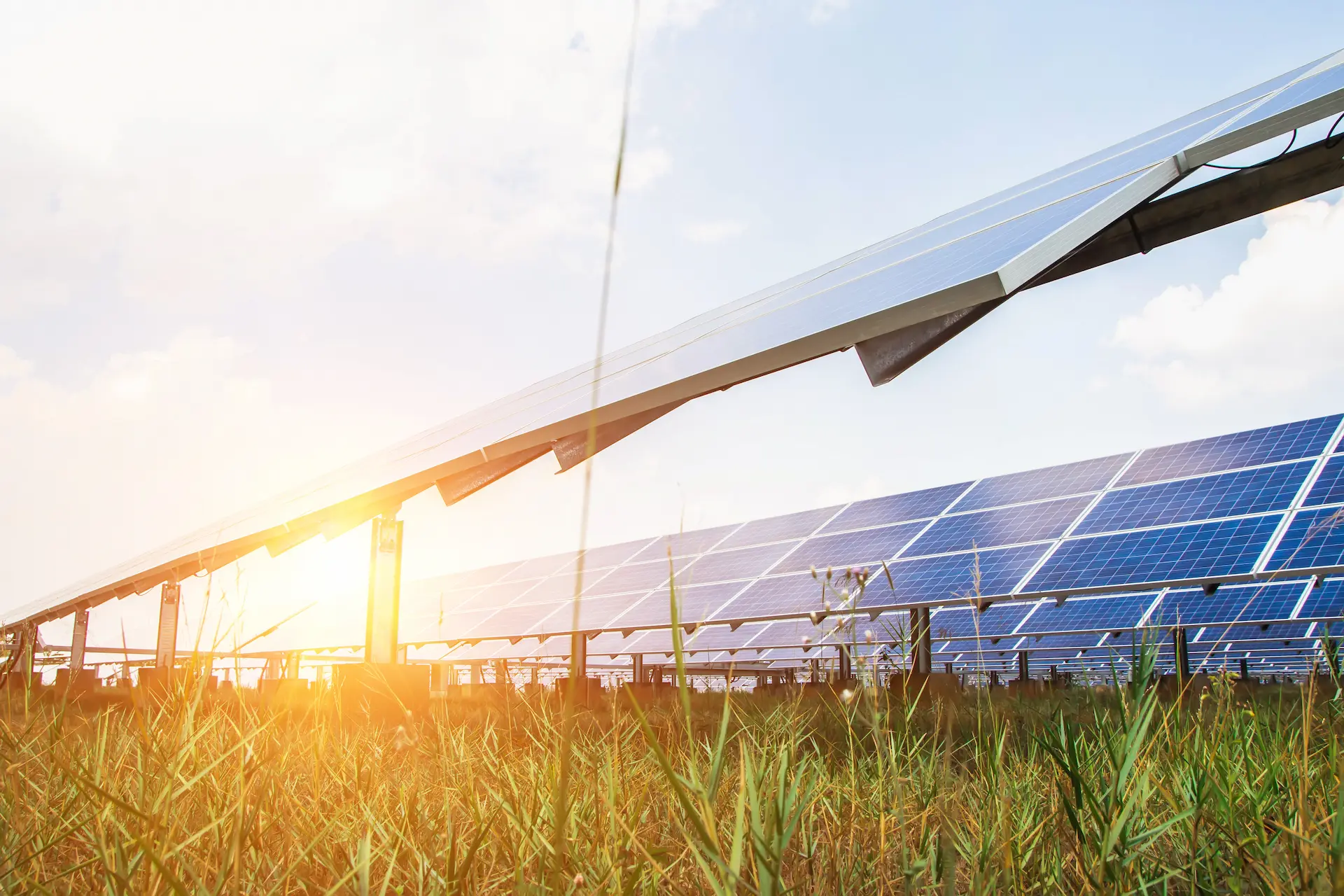
Agrivoltaics is more than just placing solar panels on a farm; it is a sophisticated response to climate change. As agriculture faces rising temperatures and water scarcity, DVP Solar’s systems offer a “dual-use” solution for the land:
- Water Conservation: The controlled shading provided by the panels can reduce irrigation needs by up to 20%.
- Climate Resilience: The structures protect crops from extreme weather and soil erosion while creating a favorable microclimate.
- Livestock Support: Beyond crops, these systems provide shelter for livestock during heatwaves and ensure year-round forage availability.
Real Numbers, Real Impact
DVP Solar isn’t just developing concepts; they are building at scale. Their current portfolio exceeds 3 GWp, with over 1,400 MWp in Italy alone. This is equivalent to powering more than 1.8 million homes and reducing CO2 emissions by over 5.4 million tons annually.
Economic Stability for Farmers
One of the most compelling aspects of the DVP Solar model is the financial security it offers to the agricultural community. An agrivoltaic plant can generate an additional fixed income of up to €5,000 per hectare per year. This provides a stable revenue stream that is independent of volatile market prices or unpredictable weather patterns.
What’s Next: Storage and Production
DVP Solar is evolving from a developer into a recognized renewable energy producer.
- Viterbo Plant: A new 4.5 MW plant in the province of Viterbo is set to go into operation by the end of this year.
- Energy Storage: The company is expanding into battery storage systems (both stand-alone and integrated) to make renewable energy more flexible and programmable.
As Italo Rubeo suggests, the future of energy and agriculture can no longer travel on parallel tracks—they must grow together under the same sun.