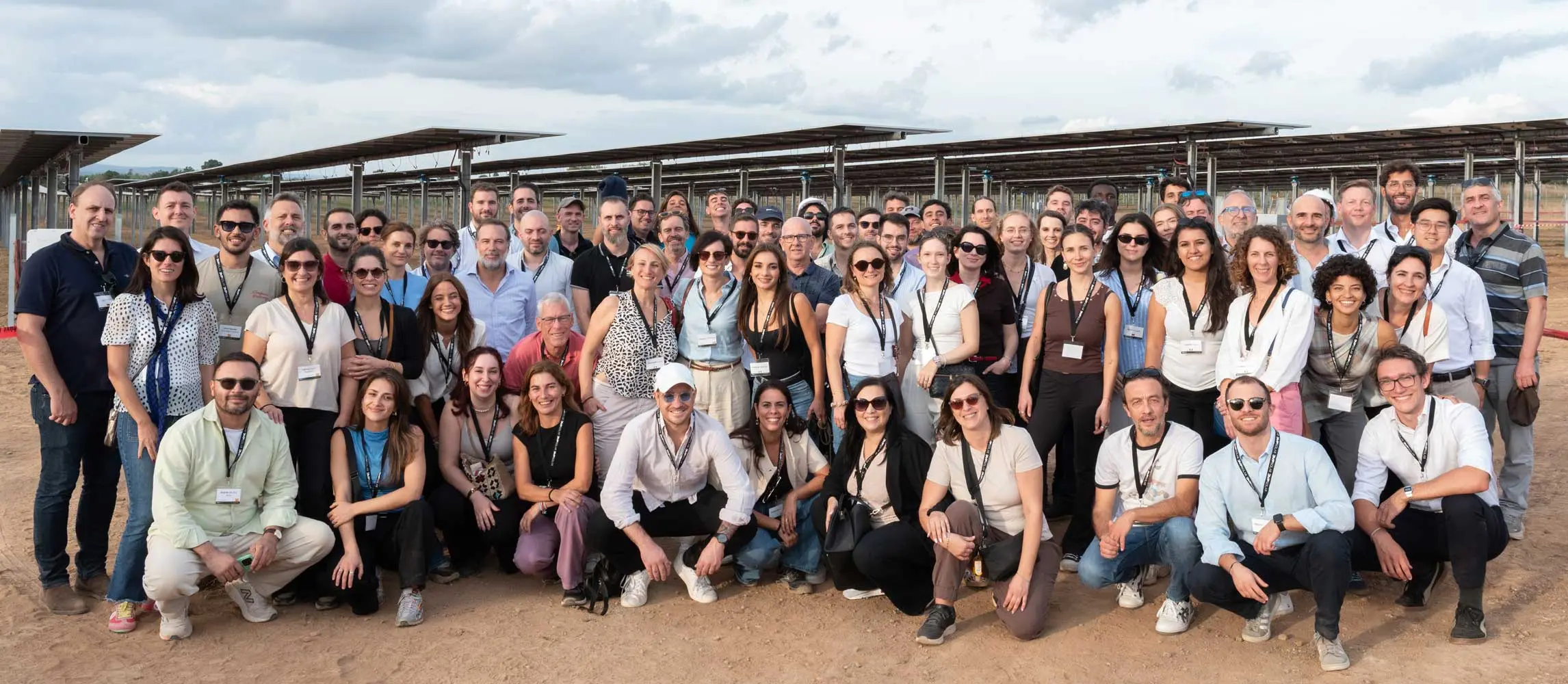
On 13 May 2026, the Kore University of Enna hosted the national conference ‘Agrivoltaic & Digital for Sicilian Animal Husbandry’, a key event dedicated to agricultural innovation, energy transition and the future of the sheep supply chain in Sicily.
Innovation in the service of agricultural resilience
At the centre of the speeches, agri-voltaics – combining agricultural production and solar energy – was confirmed as a strategic solution to address climate and economic challenges. By integrating digital technologies such as smart sensors, data management platforms and artificial intelligence, the speakers highlighted models that can optimise farm performance while improving the quality of production.
These approaches allow in particular a more precise management of grazing, animal welfare and natural resources, thus enhancing the sustainability of livestock systems.
An alliance between industry, research and territory
The conference highlighted the strength of a close collaboration between energy companies, universities and sheep industry players. This synergy made it possible to integrate different competences and propose concrete solutions in line with the needs of farmers and the challenges of the territory.
The presence of speakers from both academia and the private sector also underlined the importance of knowledge transfer to accelerate innovation.
Themes at the heart of the transformation
Several key issues were addressed during the technical session:
- integrated management of agri-voltaic systems (energy, crops and livestock)
- new technologies applied to animal husbandry
- the sustainability of agro-forestry systems
- digital tools for herd monitoring and analysis
- the development of intelligent ecosystems based on data and artificial intelligence
These themes highlighted an evolution towards an increasingly connected, data-driven and sustainable performance-oriented agriculture.
A focus on the skills and professions of the future
In addition to technical aspects, the event also gave ample space to professional opportunities. The focus on job placement and new professions highlighted the growing demand for skills in areas such as agri-voltaics, agritech, data analysis and sustainable farm management.
This dimension strengthened the link between university education, innovation and the labour market.