Differences between Hybrid & Stand-Alone
BESS (Battery Energy Storage Systems) are energy storage systems that use batteries to store electrical energy. This energy can come from renewable sources such as solar or wind power, or directly from the conventional electrical grid.
BESS plays a key role in modern power systems by improving grid stability, flexibility, and efficiency. By storing excess energy when production exceeds demand and releasing it when needed, battery systems help balance supply and demand and support the integration of renewable energy sources.
At utility scale, BESS has become an essential component of the energy transition toward a cleaner, more resilient, and low-carbon energy system.
Main advantages of Battery Energy Storage Systems
- Energy storage and dispatch. Store surplus renewable energy and deliver it when demand increases.
- Grid stability and flexibility. Provide fast response to fluctuations in generation and consumption.
- Peak demand management. Reduce pressure on the grid during peak hours and avoid costly infrastructure upgrades.
- Fast backup power. React immediately to grid disturbances or unexpected outages.
- Support for the energy transition. Enable higher penetration of renewable energy and reduce dependence on fossil fuels.
Stand-alone
There are two types of BESS. The first one is stand-alone BESS. They are battery systems connected directly to the electrical grid, independent of any specific generation source. In this configuration, the system stores energy from the grid during periods of surplus or low prices and injects it back when demand or prices are higher.
And what makes them unique? They are ideal for enhancing grid stability and congestion management, they have direct connection to the electrical grid, are optimized for grid services and energy arbitrage and have high efficiency due to proximity to grid infrastructure.
Hybrid BESS
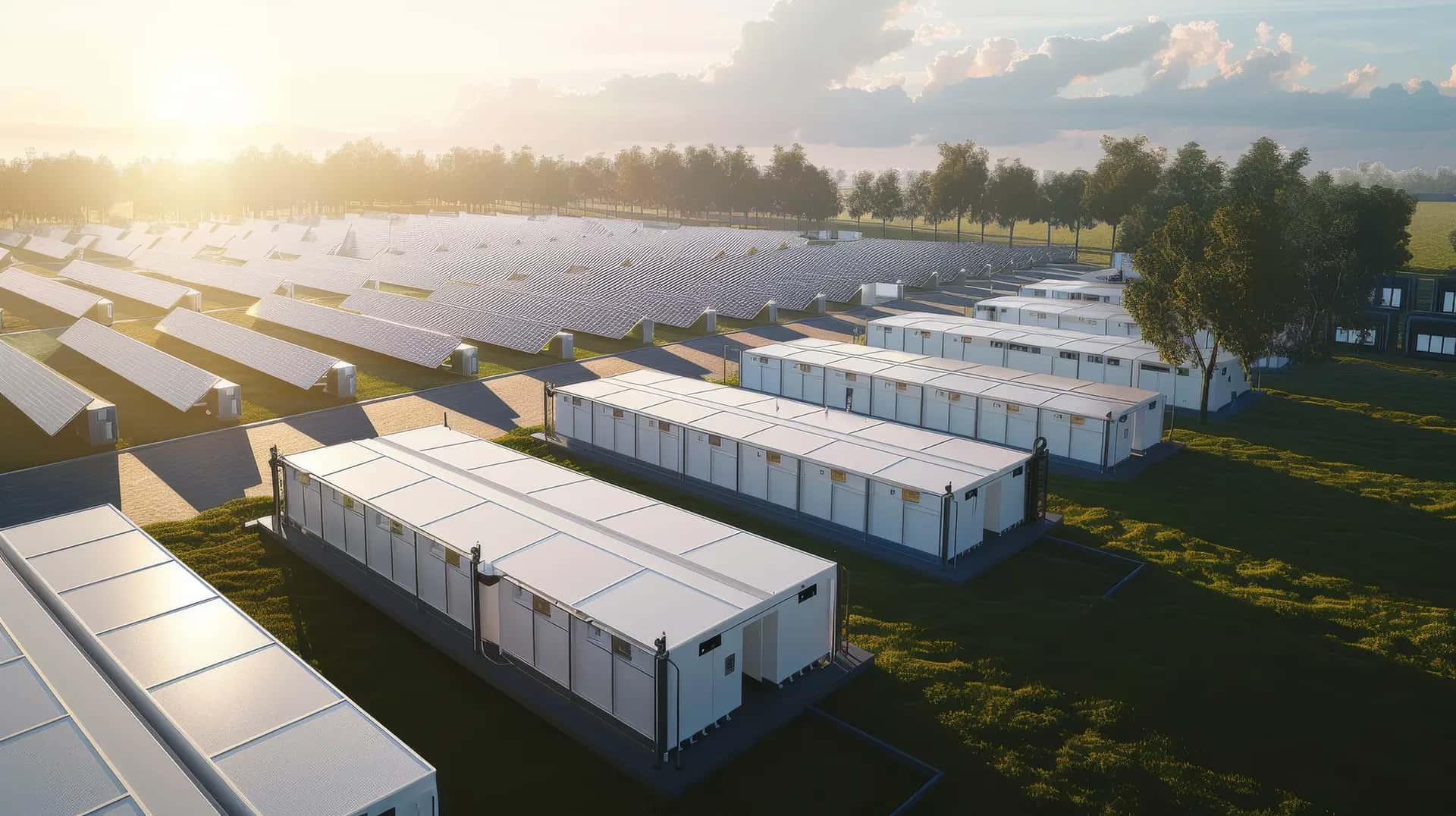
Hybrid BESS are integrated with renewable generation plants, most commonly photovoltaic (PV) solar installations. In this setup, batteries store surplus solar energy that cannot be injected into the grid during periods of low demand and release it later when it is most valuable.
So, their main characteristics are that they are connected to both a PV plant and the grid, maximize the use of renewable energy generation, reduce curtailment of solar power and improve project profitability and grid integration.
Conclusion
Both stand-alone and hybrid BESS play a crucial role in modern energy systems. While stand-alone storage focuses on grid efficiency and flexibility, hybrid systems enhance the value of renewable energy assets by storing surplus generation.
Together, these technologies are accelerating the transition toward a more sustainable, reliable, and resilient energy future.